Br. Peter Trinko
|
In the time of Advent we will often hear the refrain from Isaiah “Prepare the way of the Lord” (Is. 40:3, cf. Mark 1:1-8); this proclamation this should lead us to ask ourselves, “How can I personally prepare the way for the Lord in my heart?” As we begin this Advent season, we can begin this preparation by a tried and true and essential practice of the spiritual life called the Particular Examination of Conscience.
|
|
God desires that everyone be saved (cf. 1 Tim 2:4), but as St. Augustine says, “He who made us without us, will not save us without us.” When St. Thomas Aquinas’ sister once asked him how one can become a saint he answered simply “will it”. In her Act of Merciful Oblation, St. Therese of the Child Jesus said, “I desire to accomplish Your will perfectly and to reach the degree of glory You have prepared for me in Your Kingdom”[1]. All of this is to remind us that in the great mystery of human freedom, God is calling each one of us individually to participate in the work of salvation and redemption. And an important spiritual work we can do is that of the Particular Examination of Conscience.
|
Why make an examination of conscience?
|
Why is it so important to make an examination of conscience? We can look to the words of Jesus in today’s Gospel[2] where our Lord tells us to “be vigilant at all times” and “beware that your hearts do not become drowsy from…the anxieties of daily life”.
Our Holy Father Pope Francis said in his Angelus address today that the beginning of Advent is a good time to ask ourselves what is weighing down our hearts and burdening our spirits: “ What are the mediocrities that paralyze me, the vices, what are the vices that crush me to the ground and prevent me from raising my head?”[3] |
A doctor uses machines to help monitor the vital signs and progress of his patient. Athletes put together rigorous training routines and track their progress to their goals. The spiritual life is no different in the sense that we need some practical and concrete method to monitor our spiritual life; something that will help us uproot vice, educate the will, and grow in virtue.
The Particular Examination is different in that it is targeted and focused. Rather than looking at all of our sins, we focus on our dominant defect and a particular point.
|
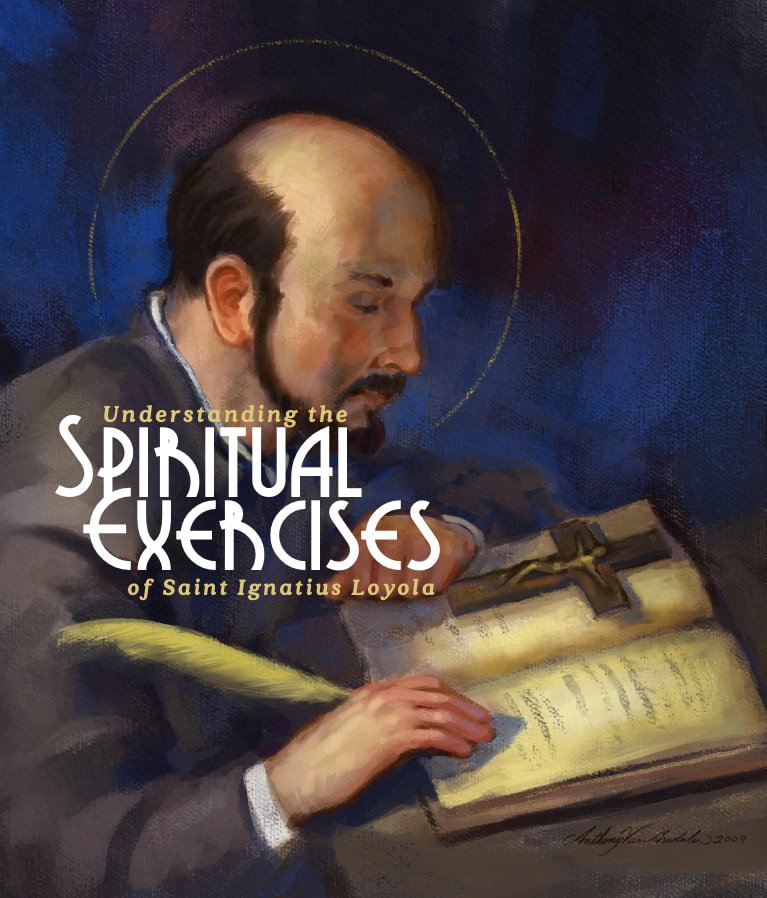
If I want to improve in something, anything, whether it is learning a language or playing an instrument I must apply myself to it regularly. I cannot simply work when I ‘feel like it’ or from ‘time to time’. In the spiritual life, this work has long been considered the Particular Examination of Conscience and one of the most tried and true methods is the one shared by St. Ignatius of Loyola in his Spiritual Exercises.
|
|
How to do Particular Examination of Conscience?
Many of us are familiar that before we go to the sacrament of confession, we must make an examination of conscience. In this exam, we must identify the sins we have committed since our last confession and be resolved to not fall into these faults again. The Particular Examination is different in that it is targeted and focused. Rather than looking at all of our sins, we focus on our dominant defect and a particular point.
For example, one who struggles with chastity and lust can work on fighting against occasions of sin. He or she may resolve to never watch television alone, set a time limit for going to bed, put restrictions on their devices, and to work to guard the eyes against temptations. A cause of lust can be idleness, and so one may resolve to set and follow a regular schedule in order to avoid moments where one is tempted. It is important that resolution is something concrete and specific, otherwise there is no way to measure it.
The actual practice of the exam has three key moments. First, upon waking one resolves to work on their defect and asks God for the grace to be faithful to this resolution. The second moment occurs at midday, when one examines the first part of the day and marks (yes, with pen and paper!) how many times we have fallen into this defect (or succeeded in practicing a virtue). After the exam, one will again resolve and ask our Lord for the grace to grow in the virtue they are working on in the combat against a vice. Finally, at the end of the day there is an examination from the time of the first exam at midday until this exam at night.
For example, one who struggles with chastity and lust can work on fighting against occasions of sin. He or she may resolve to never watch television alone, set a time limit for going to bed, put restrictions on their devices, and to work to guard the eyes against temptations. A cause of lust can be idleness, and so one may resolve to set and follow a regular schedule in order to avoid moments where one is tempted. It is important that resolution is something concrete and specific, otherwise there is no way to measure it.
The actual practice of the exam has three key moments. First, upon waking one resolves to work on their defect and asks God for the grace to be faithful to this resolution. The second moment occurs at midday, when one examines the first part of the day and marks (yes, with pen and paper!) how many times we have fallen into this defect (or succeeded in practicing a virtue). After the exam, one will again resolve and ask our Lord for the grace to grow in the virtue they are working on in the combat against a vice. Finally, at the end of the day there is an examination from the time of the first exam at midday until this exam at night.
|
3 Key Moments
|
Activity of the Particular Exam
|
|
1 – Upon Waking
|
Resolve to be diligent against the particular sin or defect which one wants to correct and amend and ask our Lord for the grace to be faithful.
|
|
2 – Midday
|
|
|
3 – Before going to sleep
|
Repeat the exercise of the midday, except examine the period from midday until now.
|
The exam is both a state and operation of the spirit. It is a state in the sense that one has a general will of seeking to understand the dispositions in the soul. It is an operation of spirit in that it entails set times and precise rules. As with a virtue, it is important to stay in the mean when practicing it, otherwise:
- If we focus too much on the state, there is no practical efficacy (that is, the work is ‘in the clouds’)
- If we focus too much on the operation, it becomes a lifeless, legalistic, and mechanical operation.
|
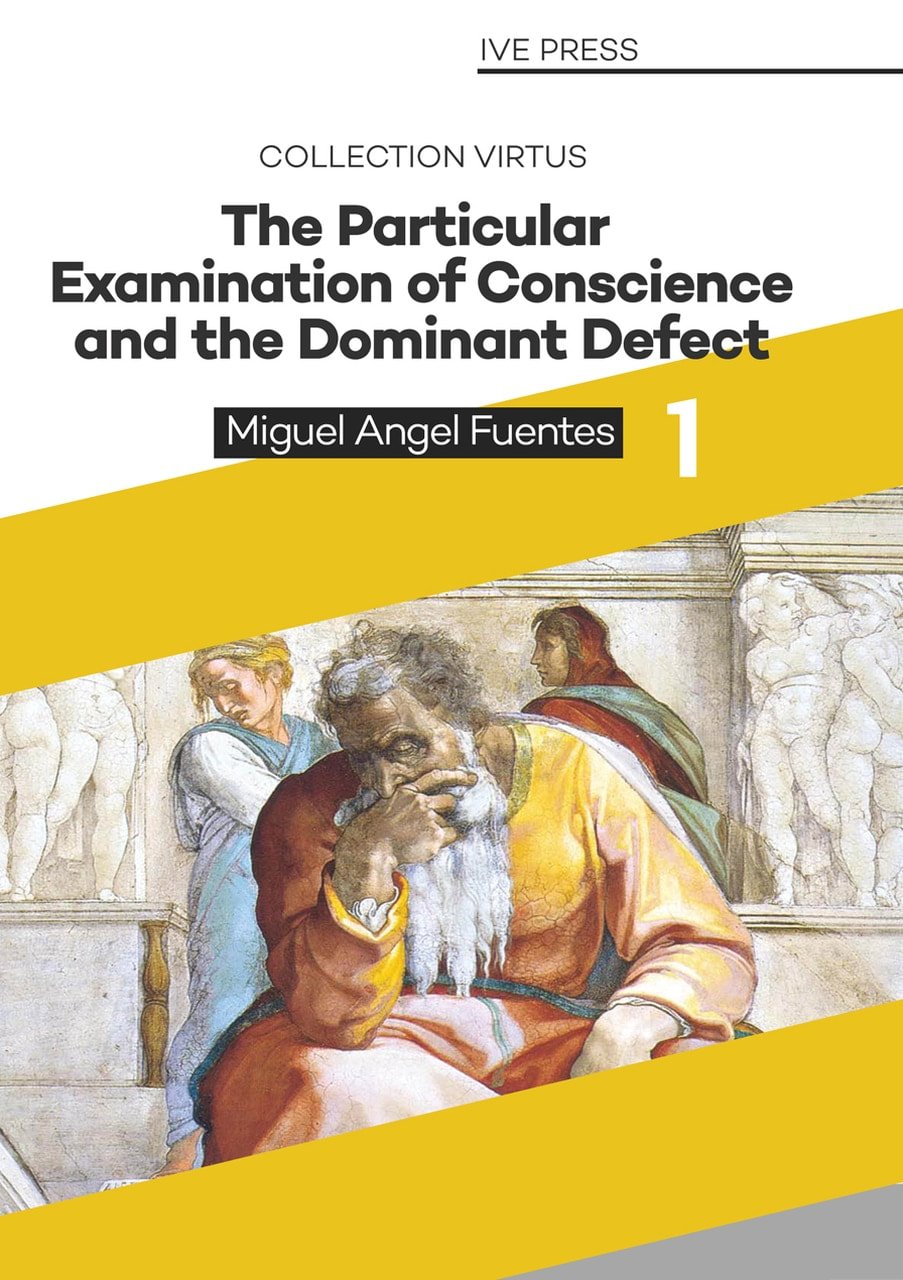
For one who is serious in taking up this practice, I highly recommend reading Fr. Miguel Fuentes’ book The Particular Examination of Conscience and the Dominant Defect (PDF or physical copy) This short work provides a rich understanding of the exam and provides many other details and examples of its practice. In addition, Fr. Fuentes explains the Dominant Defect and how we can find our own. He concludes by an examination of the temperaments and how our own can affect our spiritual life.
|
|
In the Imitation of Christ we read, “If we were to uproot only one vice each year, we should soon become perfect.”[4] We cannot expect to become saints overnight. However, through a serious life of prayer, frequent reception of the Holy Eucharist, active participation at mass, regular confession, along with the practice of the Particular Examination, we will soon find ourselves advancing in the spiritual life as we work to prepare the way of the Lord.
[1] Story of a Soul, p. 276 (Act of Oblation to Merciful Love)
[2] Luke 21:25-28, 34-36
[3] https://www.catholicnewsagency.com/news/249724/pope-francis-on-first-sunday-of-advent-life-s-essential-ingredient-is-prayer
[4] Imitation of Christ, Book I, Ch. 11